

A rechargeable head torch provides hands-free lighting without the routine of replacing disposable batteries. For regular walking, running, camping or practical work, it offers reusable power and convenient charging, while hybrid models add the option of spare batteries. The biggest benefits come from choosing a torch whose beam, runtime and fit match how you use it.
Why choose a rechargeable head torch over disposable batteries?
Rechargeable head torches are particularly useful for frequent use because you can replenish the battery rather than buy another set of disposables. That can reduce repeat battery purchases and the waste associated with single-use cells. They are not automatically the right answer for every situation, though: access to charging and your backup plan still matter.
Less battery shopping, more predictable preparation
Charging a torch before an evening outing can become part of the same routine as charging your phone. Instead of wondering whether the batteries left in a drawer are fresh, you can check the charge indicator and prepare accordingly. Rechargeable batteries do gradually lose charge in storage, so an emergency torch still needs periodic checks.
The financial benefit depends on how often you use it. Compare the purchase price, replacement-battery availability and your likely spending on disposable cells rather than assuming a fixed payback period. For a torch used most evenings, avoiding repeated battery purchases is a stronger advantage than for one used twice a year.
A practical choice between three power options
There is no need to treat rechargeable and replaceable batteries as opposites. Consider these options:
- Rechargeable-only: convenient for regular use when you can recharge between outings; check whether the battery is user-replaceable.
- Disposable-battery models: useful where carrying fresh spare cells is simpler than finding charging power.
- Hybrid models: accept a specified rechargeable pack or compatible standard batteries, giving you more flexibility away from sockets.
Reusing a battery limits single-use battery waste, but does not make the torch impact-free. Treat durability, battery replacement and responsible end-of-life recycling as part of the buying decision, rather than relying on a broad “eco-friendly” label.
Useful light matters more than maximum brightness
A powerful head torch is valuable when you need to identify a distant trail marker, but maximum output tells only part of the story. Lumens describe light output; beam distance describes how far the illumination reaches. Beam shape determines whether that light spreads across your immediate surroundings or concentrates further ahead.
A broad flood beam suits close work, reading and organising camping equipment. A focused spot helps with distance, while a mixed beam can cover both your footing and the route ahead. Choose the head torch light pattern for the task, not simply the largest number printed on the box.

Brightness also affects endurance. NightSearcher's best and longest running head torch is the HT2200R, 2000 lumens on high and can run up to 35 hours on low, with very different runtimes. A long advertised maximum runtime therefore does not mean the torch will maintain its brightest setting for that duration. Compare output and runtime together.
What makes the best rechargeable head torch for your needs?
The best rechargeable head torch balances usable illumination, sufficient runtime, comfortable weight and straightforward controls for your activity. A runner may prioritise stability, while someone repairing equipment may care more about close-range coverage and easy adjustment. Start with your longest normal session, then allow a sensible margin for delays.
Read the specifications as a connected set
Use this checklist when comparing an LED head torch:
- Output and beam distance: compare the setting you expect to use, not just a temporary boost mode.
- Runtime: check the brightness attached to each figure and look for performance information showing how output changes.
- Weight: compare complete weights with batteries included; a lightweight head torch should also feel balanced when moving.
- Controls: try switching modes, tilting the lamp and operating the buttons while wearing your usual gloves.
- Weather protection: check the stated rating and manufacturer's limits rather than assuming “outdoor” means waterproof.
- Charging: confirm the connector, charging time and whether a particular cable is required.
Water resistance deserves particular attention. IPX4, IP65, IP67 protection? What does that mean? IPX4 means it offers splash protection, where as IP65 means the product is waterproof and dustproof to a certain level. These are different protection levels: read the product instructions before exposing either torch to conditions beyond its intended use.
Match the design to your routine
For dog-walking and camping, prioritise an accessible low setting, simple controls and a useful wide beam. Red lighting can help preserve night vision around camp, provided the model offers it. Avoid paying for extreme output if your main task is finding a zip or checking the path immediately ahead.
For running, look for secure adjustment and balanced weight.
For DIY and professional work, consider close-range illumination, helmet compatibility where needed and controls that minimise interruptions. An adjustable LED torch head lets you direct illumination towards the task without continually changing your posture.
For long hikes or multi-night camps, make the power plan explicit. A compatible spare rechargeable pack, a suitable charging source or hybrid battery support may be more useful than another brightness mode. Check compatibility before departure rather than assuming any similar-looking battery will work.
Product examples that illustrate the trade-offs
These examples show different design priorities, rather than a universal ranking. Check the exact model and version before buying because similarly named products can have different specifications.
|
Model |
Useful features |
Practical consideration |
|---|---|---|
|
Zoom 700R |
USB-C charging and compatibility with three AAA batteries |
Hybrid power provides an alternative when recharging is inconvenient. |
|
RunSafe |
92g including battery, rear red light and reflective headband |
Running-focused design; its magnetic charging system requires the matching cable. |
|
LightWave RGB 650 |
650-lumen maximum output and IP65 protection |
Weighs 116g and charges through USB-C. |
Manufacturer specifications support these distinctions; they are not evidence that one model will fit every wearer better.
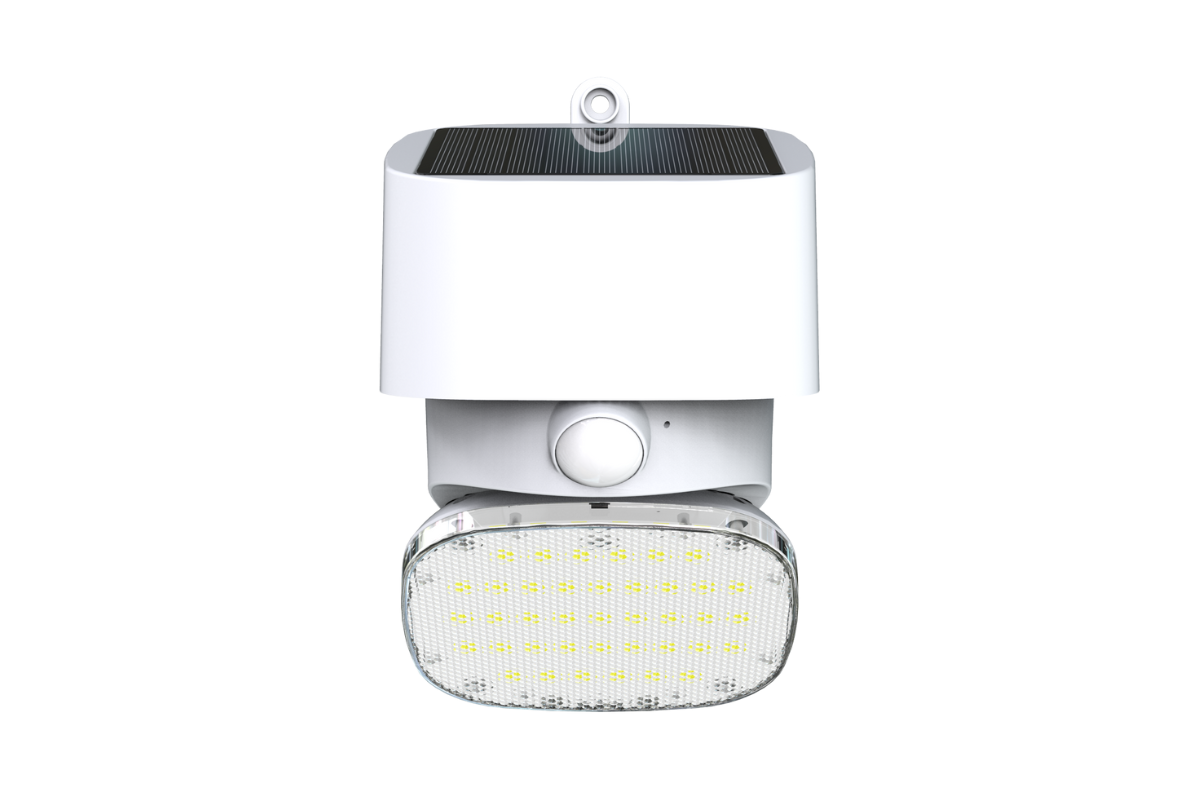
Some models also adjust illumination automatically. Our LightWave Range uses a hand sensor to turn on/ off and beam pattern according to ambient light, reducing manual adjustments. This is worth considering if your work regularly shifts between close inspection, often have dirty hands and/ or looking further away, rather than treating extra technology as a benefit by itself.
Charging, battery care and considerate use
USB charging is convenient, but “rechargeable” does not guarantee a standard USB-C socket on the lamp. Some designs use micro-USB or magnetic contacts instead. Check your cable arrangements before travelling, especially if you want one charging kit for several devices.
A few habits make ownership simpler:
- Check before leaving. Confirm the charge level and test the mode you intend to use.
- Use the transport lock. Where fitted, it helps prevent accidental activation inside a bag.
- Follow charging-temperature limits. Allow a cold battery to reach the manufacturer's permitted range before charging.
- Dry and store as instructed. Avoid leaving a rechargeable battery fully discharged for extended storage.
Be considerate with brightness, too. Lower the setting and angle the beam down around other walkers or oncoming traffic; avoid shining it directly into anyone's eyes. A head light torch is not automatically a substitute for purpose-designed road lighting, and manufacturers may explicitly exclude that use.
Choose the torch you will comfortably use
Make your shortlist around three questions: can it illuminate your task, last through your outing and stay comfortable throughout? Then check charging compatibility and your backup arrangements. A rechargeable LED head torch is most useful when reusable power fits your routine—not when its headline brightness outshines everything else on the shelf.


Laisser un commentaire
Ce site est protégé par hCaptcha, et la Politique de confidentialité et les Conditions de service de hCaptcha s’appliquent.