
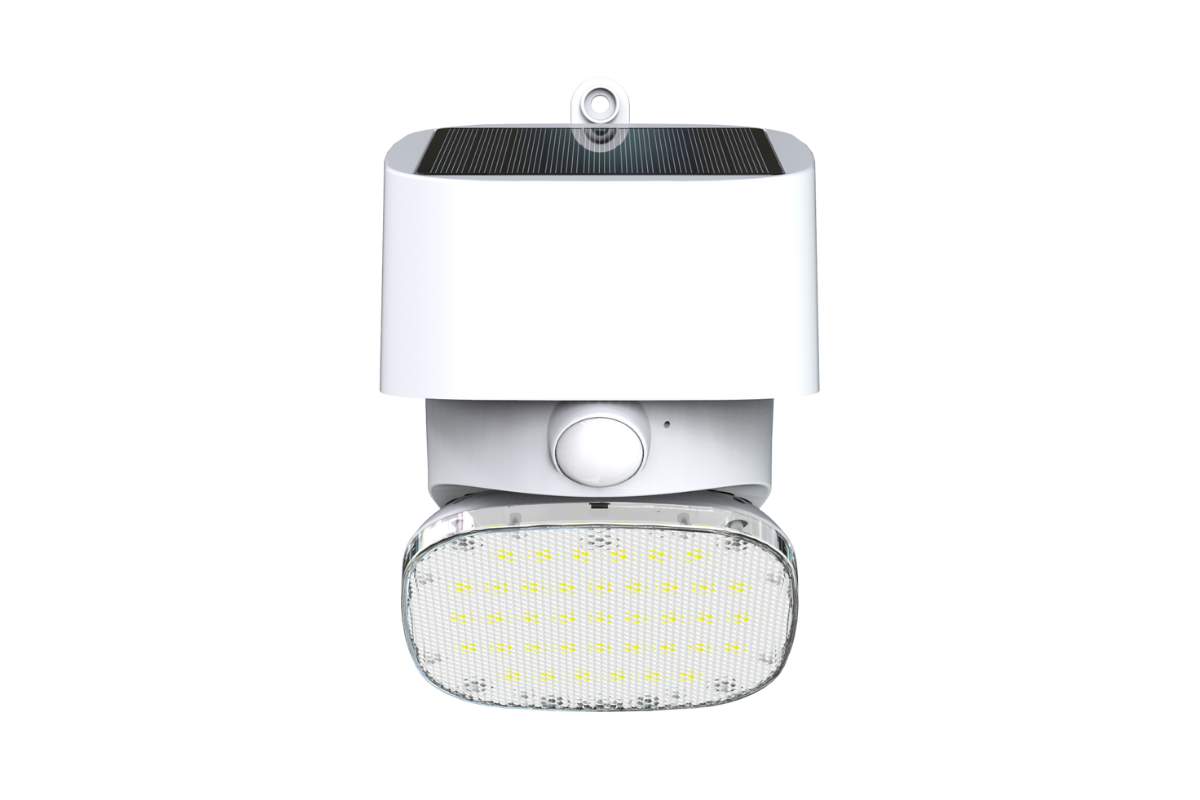
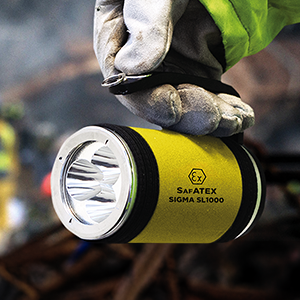
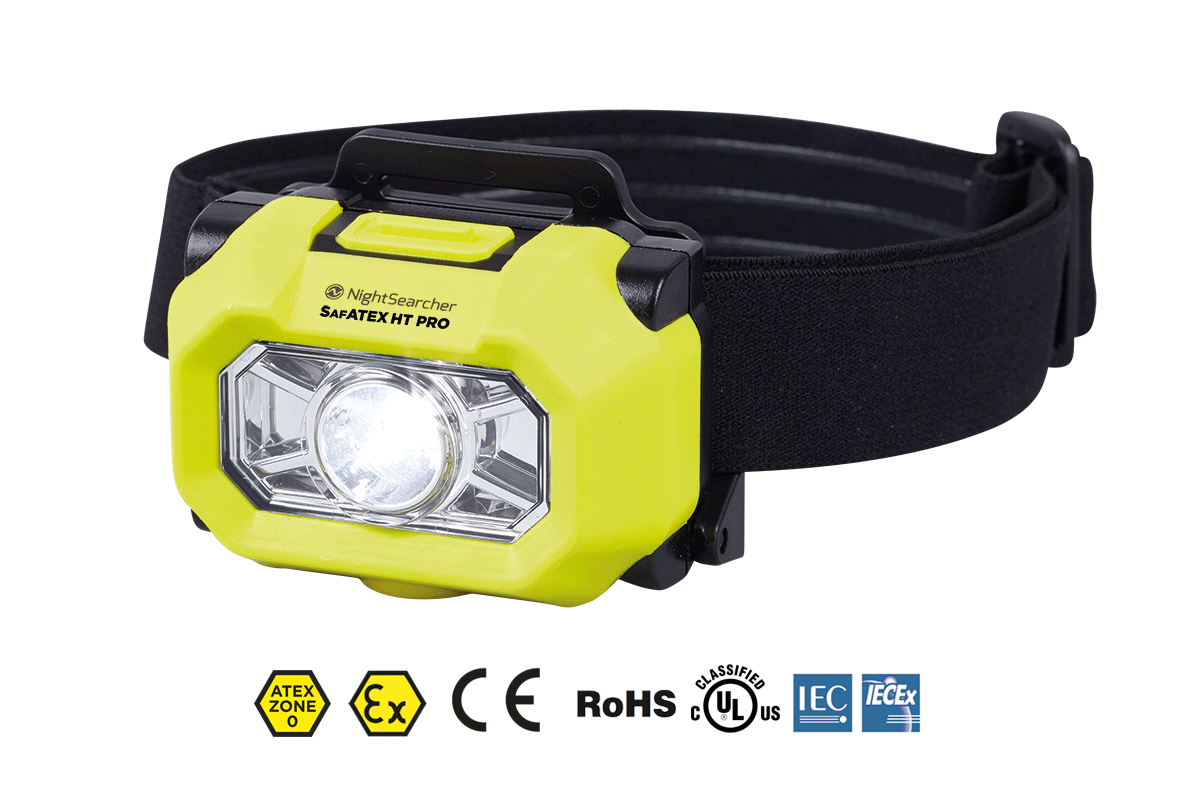
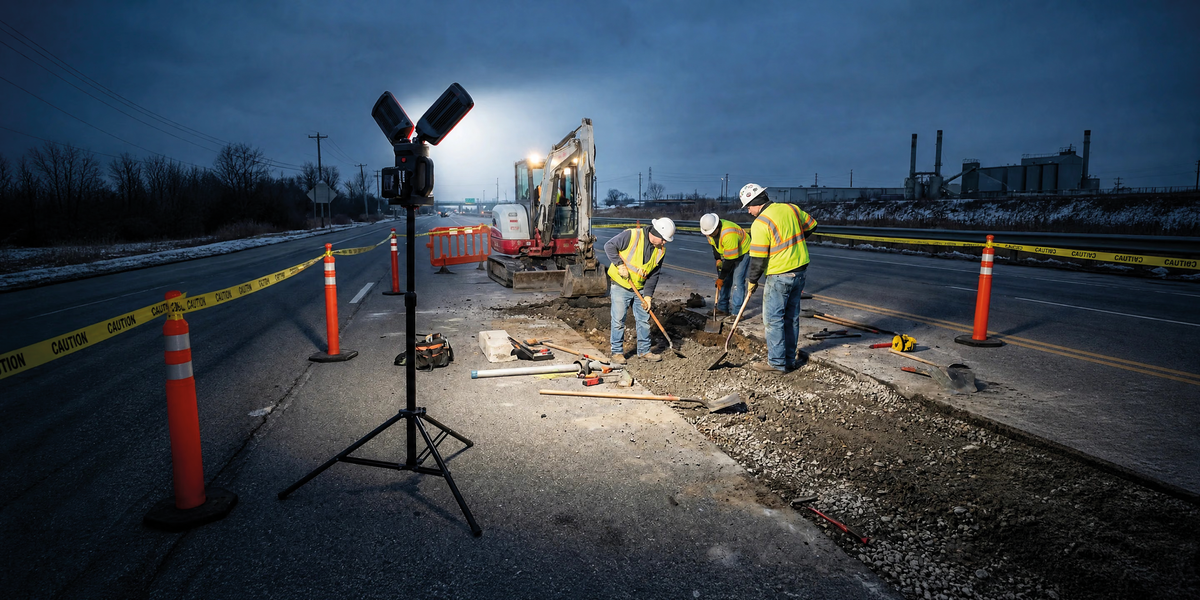
The best outdoor rechargeable work lights are the ones that match the size of the job, the available power, and the way you need to position the beam. For small repairs, compact led task lights with magnets and hooks are usually enough; for garage, remodeling, and worksite lighting, battery-powered work lights in the 2,000–6,000 lumen range are more practical; for open outdoor areas, tower or tripod lights give the safest spread.
Which rechargeable LED work lights are best for outdoor jobs?
For most people, the best choice is not one single light but the right category: a compact rechargeable task light for close work, a portable flood light for medium areas, and a tower light for large spaces. Good led work lights rechargeable enough for outdoor use should combine useful brightness, stable placement, weather resistance, and a battery system you can actually keep charged.
If you already own cordless tools, start with lights that use the same battery platform. If you do not, look at self-contained rechargeable lights that charge by USB-C and are easy to keep in a vehicle, tool bag, garage, or emergency kit.

The main types of outdoor rechargeable work lights
Compact task lights for close-up work
Compact rechargeable lights are ideal for electrical panels, under-hood repairs, crawl spaces, plumbing access, equipment checks, and quick repairs after dark. These are usually small cordless led lights with magnets, hooks, pivoting heads, or clips, so they can sit on a metal surface or hang near the work.
The Workstar 6500 is a good example of this class because it is a self-contained rechargeable LED task light with up to 6,500 lumens, a pivoting head, magnets, hooks, IPX4 dust and water protection, charging, and up to 15 hours of runtime depending on setting. It can also charge in as little as 90 minutes.
NightSearcher also offer a smaller led task lights that focus on placement flexibility; Micro 1100. Its a rechargeable handheld folding work light that provides up to 1100 lumens, a red light option, USB-C charging, magnetic mounting, IPX4 water and dust resistance, and a compact foldable body that weighs about 241g.
Portable flood lights for garages, yards, and remodeling
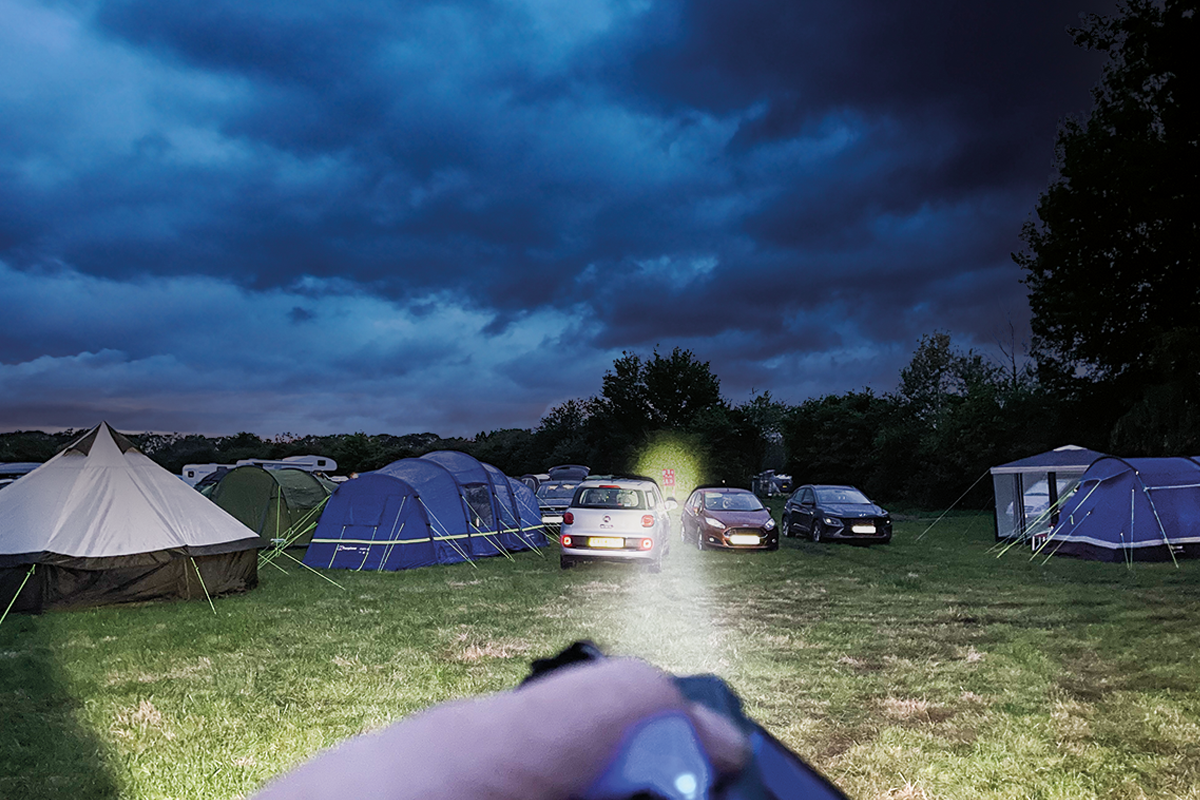
Portable led lights in the 2,000–5,000 lumen range are better when you need to light a broader work area rather than a single component. They are useful for siding repairs, framing, painting, driveway work, cleanup, storage buildings, and home projects where an outlet is not always nearby.
The Galaxy 1200 is a strong example of a portable cordless work light: it delivers up to 1,200 lumens, weighs 491g as a bare tool, includes a 180-degree folding carry handle, supports tripod mounting, and features a powerbank mode to charge your phone.
For smaller and tighter area lighting, the Nova Star produces up to 2,000 lumens, fast charges from USB-C, can stand freely or hang from an integrated hook, and carries an IPX7 rating for weather and dust resistance.
Tower and tripod lights for wide outdoor coverage
Tower lights are the best rechargeable work lights when shadows are the real problem. By raising the light above the task, they reduce glare, spread illumination more evenly, and keep the unit off the ground where it is less likely to be kicked, blocked, or splashed.
Tower Pro 7K Light 7,000 lumens, hybrid power-supply operation with a rechargeable Li-ion battery or AC powered, up to 5 hours of runtime, 80 x 665mm collapsed, and an IP54 rating waterproof and dustproof, extends up to 1.7m.
For more demanding outdoor conditions, TriStar Connect delivers 10,000 lumens, extends to 2.3m, has three independently pivoting heads, uses power-tool 18V batteries, can plug into AC power, and includes a USB port. It is IP54 rated for water and dust resistance, making it a practical choice for covered or weather-aware jobsite use.
How many lumens do you need outdoors?
Lumens should match the task, not just the biggest number on the box. Too little light causes eye strain and missed details, while too much light in the wrong place creates glare, harsh shadows, and faster battery drain.
Use this practical guide when comparing bright work lights:
- Under 500 lumens: Best for inspection, tool bags, vehicle interiors, small panels, and close-up repairs. Choose this range when placement matters more than raw output.
- 500–1,200 lumens: Good for led task lights, small rooms, under-hood work, shed repairs, and tight outdoor areas.
- 1,200–2,000 lumens: A strong range for portable led lights used in garages, patios, service calls, and small jobsites.
- 3,000–6,000 lumens: Better for room-scale remodeling, decks, driveways, large garages, and general worksite lighting.
- 10,000 lumens and above: Useful for broad construction areas, night work, and large outdoor zones, but only if the fixture is stable, safely positioned, and supported by enough battery or corded power.
Remember that beam pattern matters as much as lumens. A floody light spreads illumination across a surface; a spotlight throws farther but may leave dark edges. The best outdoor setup often combines one wide-area light with one smaller rechargeable task light aimed at the exact work.
Battery, charging, and runtime matter more than peak brightness
A light that looks impressive for 20 minutes is not always useful for a long evening job. Before buying battery-powered work lights, check the runtime at the brightness level you expect to use, not only the maximum runtime on low.
There are three common power setups:
- Integrated rechargeable battery: Simple and compact. Best for homeowners, inspectors, technicians, and emergency kits. Look for USB-C charging, battery indicators, and a runtime that covers your normal task.
- Tool-battery platform: Best if you already own compatible packs. These lights can run longer with higher-capacity batteries and are easy to rotate through a charger.
- Hybrid battery and corded power: Best for unpredictable jobs. You can work cordless outdoors, then plug in when AC power is available.
Hybrid models are especially useful because they prevent the common “dead battery at the worst moment” problem.
Outdoor durability is about placement, not just IP ratings
IP ratings are helpful, but they do not make a light indestructible. The first digit in an IP rating refers to protection from solids like dust, while the second digit refers to liquid ingress protection under defined test conditions.
For outdoor led work lights, IP54 is common and generally means protection against limited dust ingress and splashing water. IP65 indicates stronger dust protection and resistance to water jets, while IP67 adds temporary immersion protection under rated conditions. Even so, you should still keep chargers, extension cords, open battery compartments, and USB ports out of standing water.
A practical outdoor checklist:
- Choose IP54 or better for damp, dusty jobsites.
- Use IP65 or IP67 when rain, mud, or washdown exposure is likely.
- Keep the light elevated when the ground is wet.
- Avoid aiming lights directly into workers’ eyes or traffic.
- Let rechargeable lights cool and dry before packing them away.
- Use only the charging method and temperature range recommended by the manufacturer.
Portability and mounting decide how useful the light feels
The best led work lights are easy to place exactly where you need them. A light with great output but poor mounting becomes frustrating fast, especially when you need both hands free.
Look for these placement features:
- Magnetic bases for metal studs, vehicles, panels, equipment, and trailers.
- Hooks and carabiners for ladders, rafters, fencing, tool bags, and temporary storage.
- Tripod mounts for wide, shadow-reducing coverage.
- Rotating or pivoting heads so you can aim the beam without moving the whole light.
- Stable frames or legs for uneven ground.
- Carry handles or rails for moving lights with gloves on.
Weight also matters. A pocket-size unit is easy to carry all day but will not light a large jobsite. A tower light can transform a dark area, but it takes more space in a truck and is less convenient for quick service calls. The best setup is often layered: one larger area light plus one or two smaller cordless led lights for detail work.
Strong choices by use case
If you want a simple way to narrow the options, match the light style to the work:
- Automotive and equipment repair: Choose a compact rechargeable task light with magnets, a pivoting head, and 500–1,000 lumens.
- Home repairs and emergency lighting: Pick a USB-C rechargeable light that can stand, hang, and show battery status.
- Garage and remodeling work: Use a 2,000–5,000 lumen portable flood light with tripod or hook options.
- Outdoor construction and large yards: Choose a tower light or high-output area light with stable legs and replaceable tool batteries.
- Long shifts or remote sites: Prioritize hybrid power, spare batteries, and lower brightness modes that extend runtime.
Final takeaway
The best rechargeable LED work lights for outdoor use are bright enough for the task, tough enough for dust and damp conditions, and easy to position without tying up your hands. Compact rechargeable lights are excellent for detail work, portable floods are the all-around choice, and tower lights are best when safety, shadow control, and wide worksite lighting matter most. Buy for the way you actually work, and you will get more value than you would from chasing the highest lumen number alone.

Leave a comment
This site is protected by hCaptcha and the hCaptcha Privacy Policy and Terms of Service apply.