
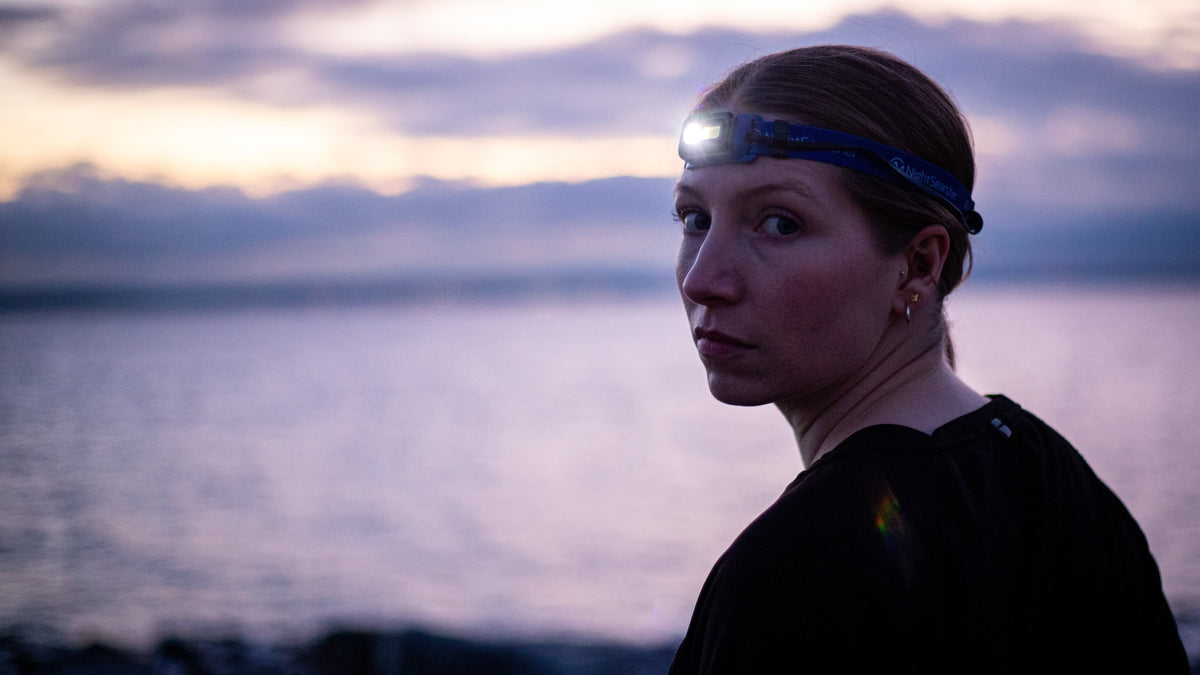
The best head torches match your pace, trip length, and how much weight you can stand on your forehead. For most outdoor use, a rechargeable lamp in the 300-600 lumen range is enough. Harder trails, winter starts, and mountain use need more power, a steadier beam, and better weather protection. This headlamp buying guide compares the best head torches and the top headlamps by use case, so you can choose with confidence. We recommend the Runsafe, it's 500 lumens, lightweight and rechargeable with a battery life of up to 35 hours.

Which head torch is best for your activity?
The best head torch for your activity depends on pace, terrain, and trip length. Campers need comfort and low modes. Hikers need steady mid-range light. Runners need stability. Technical users need power and durability.
A campsite headlamp can be simple and affordable, but the best running head torches should stay secure without bouncing and give enough beam distance to read rough ground at speed.
Use this quick match before diving into detailed head torch reviews:
- Camping and van trips: Choose red light, low modes, comfort, and simple controls. You do not need huge lumens to cook, read, or find gear in a tent.
- Hiking and backpacking: Look for 300-600 lumens, good battery feedback, and a weather-resistant build. A balanced beam matters more than headline brightness.
- Trail running: Choose lightweight headlamps with stable straps, a secure tilt, and enough throw for roots, rocks, and turns.
- Fast technical terrain: Step up to stronger output, better heat control, and higher ingress protection. A spare battery or long-running eco mode can matter on pre-dawn starts or late finishes.
- Ultralight trips: Weight and pack size win. Accept less battery capacity if your use is mostly camp chores and occasional night walking.
A plain-English headlamp comparison
Spec sheets can make outdoor headlamps seem more complex than they are. Lumens tell you possible brightness, but they do not tell the full story. Beam shape, runtime at useful settings, comfort, charging type, and water resistance matter just as much.
A 1,000-lumen lamp that feels heavy or steps down quickly may be less useful than a 400-lumen lamp you actually enjoy wearing.
Here is the practical way to read the main specs:
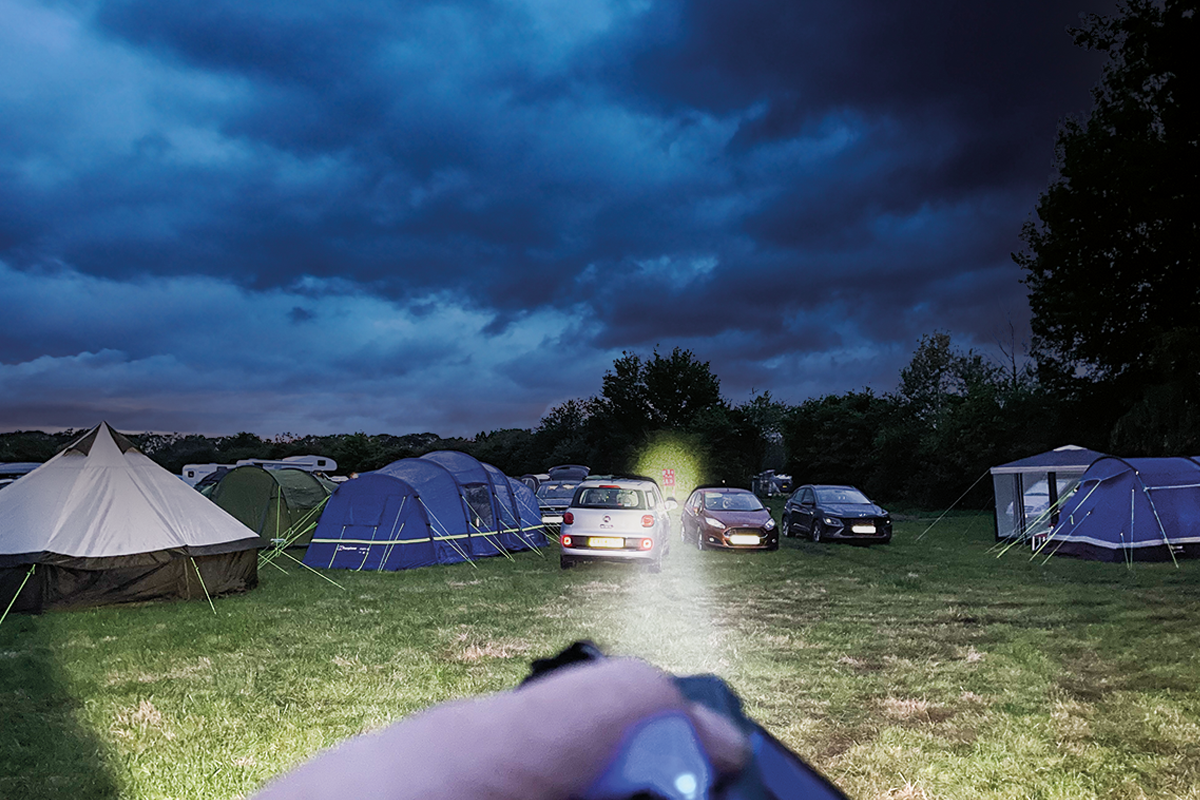
- Lumens: Around 100-250 lumens is usually enough for camp tasks. Around 300-600 suits general hiking and moderate running. For fast descents, technical trails, ski approaches, or poor weather, 500-900+ lumens gives more margin.
- Weight: Lamps around 50-100 g are easier to forget on your head. Models around 140 g and above often carry larger batteries or tougher housings, which helps runtime and output but may feel bulkier over long runs.
- Battery type: USB-C rechargeable models are convenient if you already carry a power bank. Replaceable batteries are useful for longer routes where plugging in is not realistic.
- Runtime: Compare runtime at the setting you will actually use, not only the lowest max burn time mode. Many lamps advertise very long runtimes on dim eco settings.
- Ingress protection: IPX4 handles rain and splashes. IPX5 and IP66 improve confidence in bad weather. IP67 and IP68 are stronger choices for wet, dirty, or exposed use.
- Controls: Gloves, fatigue, and darkness make fiddly buttons annoying. A lockout mode also helps stop the lamp switching on inside your pack.
The best headlamps to shortlist
No single model is perfect for everyone, so the strongest shortlist includes a mix of premium, mid-range, budget, and ultralight choices. The picks below are based on current manufacturer specs and real outdoor fit, not made-up lab tests.
Best all-round premium choice: LightWave 800R
The LightWave 800R combines a focused LED spot beam with a wide COB floodlight bar for ultimate versatility. Delivering up to 800 lumens, hands-free wave sensor control, and USB-C fast charging, it’s the perfect head torch for work and outdoor use.
Best for technical trail running: RunSafe
Perfect for evening runs, camping adventures, or late-night tasks, the RunSafe head torch delivers a powerful beam reaching up to 65 metres on high mode, plus a versatile softer light and a red safety beam that lasts up to 35 hours. Its lightweight design and comfy head strap with reflective trim keep you visible and comfortable, while easy-to-use buttons let you switch modes without fuss. Fully rechargeable in under three hours via USB-C, it offers great value with top-tier features for any outdoor enthusiast.
Best lightweight backpacking option: LightWave 700R
As a highly advanced head torch, the LightWave 700R offers a powerful 700 lumens and rechargeable capabilities for extended use. Its zoom beam feature allows for targeted lighting, while the motion sensor control makes for convenient hands-free operation. Experience increased efficiency and versatility in all your outdoor activities. 700 lumens, 120 g with bracket and headband, a built-in 1000 mAh Li-ion battery, USB-C charging, IP64 dust and water resistance, and a max runtime of 31 hours.
Best simple hiking, sports and travel option: LightWave 650 RGB
The LightWave RGB 650 delivers powerful spot, flood and turbo lighting plus RGB colour modes in red, blue, green and flashing red. Features dimming control, touch free wave sensor, rechargeable & removable lithium ion battery, USB C fast charging in two hours, and battery status indicators in a compact and durable design. 650 lumens, 116 g weight, IP65 protection, an integrated 3400 mAh Li-ion battery, red night vision, lockout, and burn times of 3 hours on high, 8 hours max.
This is a good middle-ground choice for day hikers who sometimes finish after dark, travelers who want one dependable lamp, hunters or fishers who want to make use of red light mode, and campers who want better sealing than a basic budget model.
What should you spend more money on?
Spend more money on stability, battery quality, beam control, and weather resistance before chasing maximum lumens. A premium headlamp is worth it when you run often at night, move quickly on rough ground, or rely on the lamp for safety in remote places.
For casual camping and short walks, a modest rechargeable model is usually enough.
Think in tiers rather than assuming the most expensive model is always best:
- Budget tier: Good for camp, dog walking, emergency kits, and occasional hikes. Expect simpler straps, lower output, and fewer advanced features.
- Mid-range tier: Best for most hikers and regular campers. You get better comfort, better waterproofing, red light, lockout, and more useful brightness.
- Premium tier: Worth it for running, mountaineering, winter starts, night navigation, and frequent use. Look for reactive lighting, stronger batteries, replaceable power packs, high IP ratings, or better beam options.
If you are comparing the best headlamps for a specific trip, ask one simple question: what happens if this light becomes uncomfortable, too dim, or dead halfway through? The more serious the consequence, the more it makes sense to pay for reliability.
Small features that make a big difference
Comfort is easy to overlook until a lamp starts bouncing, slipping, or pressing into your forehead. A wider strap can spread pressure, a top strap can steady heavier lamps, and a rear battery pack can improve balance for runners. If you wear hats or helmets, check that the lamp tilts smoothly and does not dig in.
Red light is another small feature with real value. It helps preserve night vision, keeps camp glare down, and is less disruptive when sharing a tent. Battery indicators are equally useful because they turn vague worry into a simple choice: keep going, dim the beam, or recharge.
Also think about charging fit. USB-C is increasingly convenient because one cable can serve a phone, power bank, GPS device, and headlamp. However, AAA support still has a place on long trips, international travel, and emergency kits where spare cells may be easier to find than a charging outlet.
Final takeaway
For a premium do-everything lamp, shortlist the LightWave 800R. For the best running head torches on technical ground, the RunSafe is the more rugged, powerful option. For ultralight backpacking, the LightWave 700R is hard to ignore, while the LightWave RGB 650 covers reliable mid-range, budget, and eco-conscious needs.
The smartest headlamp comparison is not about finding the brightest beam on paper. It is about matching brightness, runtime, comfort, and durability to the way you actually spend time outside.
Q&A
Question: How many lumens do most people actually need in a head torch?
Short answer: For most outdoor use, 300-600 lumens is enough. Camp tasks can often use 100--250 lumens, while hiking and moderate running are well served by the 300-600 range. Faster or more technical activities, such as trail running descents, ski approaches, winter starts, or poor-weather navigation, may justify 500-900+ lumens.
Question: Is the brightest headlamp always the best choice?
Short answer: No. Brightness is only one part of the choice. Beam shape, comfort, battery life at useful settings, weight, charging type, and weather resistance can matter more than the highest lumen number. A lighter 400-lumen lamp that fits well and lasts through your trip may be more useful than a heavier 1,000-lumen model that steps down quickly or feels uncomfortable.
Question: Which headlamp is best for trail running?
Short answer: For technical trail running, the RunSafe is the strongest rugged option in this guide because it offers high output, water resistance, USB-C charging, and a secure running-focused build.
Question: Should I choose USB-C rechargeable power or replaceable batteries?
Short answer: USB-C rechargeable headlamps are convenient if you already carry a power bank or use USB-C for your phone, GPS, or other electronics. Replaceable batteries still make sense for longer trips, travel, emergency kits, or routes where recharging is hard.
Question: What IP rating should I look for in a head torch?
Short answer: IPX4 is usually enough for rain and splashes, while IPX5 and IP66 offer more confidence in bad weather. IP67 and IP68 are better choices for wet, dirty, or exposed use. If you often run, hike, or navigate in poor weather, it is worth choosing a higher ingress protection rating over simply buying the brightest lamp.


Hinterlasse einen Kommentar
Diese Website ist durch hCaptcha geschützt und es gelten die allgemeinen Geschäftsbedingungen und Datenschutzbestimmungen von hCaptcha.