
UV torches are compact tools that emit ultraviolet light rather than ordinary visible light, helping reveal marks, materials and residues that the eye may otherwise miss. This guide explains how a uv torch works, where it is useful, what to look for before buying one, and how to use it safely. It is written for everyday users as well as anyone comparing a handheld ultraviolet torch with a larger UV A lamp.
What is a UV torch?
A UV torch is a handheld light source that produces UV radiation light, usually in the UV-A range, to make certain substances fluoresce or appear more clearly. In simple terms, it shines energy that sits just beyond violet on the light spectrum, so the beam may look dim while still causing some materials to glow brightly. That difference between what you see and what the torch is doing is why safe handling matters.
People use different names for the same general product. You may see it described as a uv light, uv light torch light, uv ultraviolet flashlight, blacklight torch or ultraviolet torch. Some of those phrases are a little repetitive, such as “uv light uv light”, but they all usually point to a portable device designed to reveal fluorescence.

How UV light creates a visible glow
UV light does not make everything glow. It works best when it strikes materials that absorb ultraviolet energy and re-emit part of that energy as visible light. This process is called fluorescence, and it explains why some inks, fibres, minerals, stains, plastics and coatings stand out strongly under a uv torch while nearby surfaces remain dull.
The beam itself may appear purple or violet because many torches also emit a small amount of visible light. The useful effect, however, comes from the ultraviolet part. A darker room usually improves results because the visible glow is easier to see when ordinary light is reduced.
Not all fluorescence is equally strong. A pale mark on a patterned carpet may be obvious under one torch and barely noticeable under another. Distance, angle, surface colour, surrounding light, battery condition and the material being inspected all affect what you see.
Common uses around the home, workplace and outdoors
UV torches are popular because they are simple, portable and surprisingly versatile. They are not magic detectors, and they do not identify every substance with certainty, but they can make visual inspection much easier.
Typical uses include:
- Pet stain checks: Some organic residues can fluoresce, helping you find areas that need cleaning rather than guessing by smell alone.
- Document and banknote inspection: Security inks, fibres or markings may become visible under UV, depending on the item and its design.
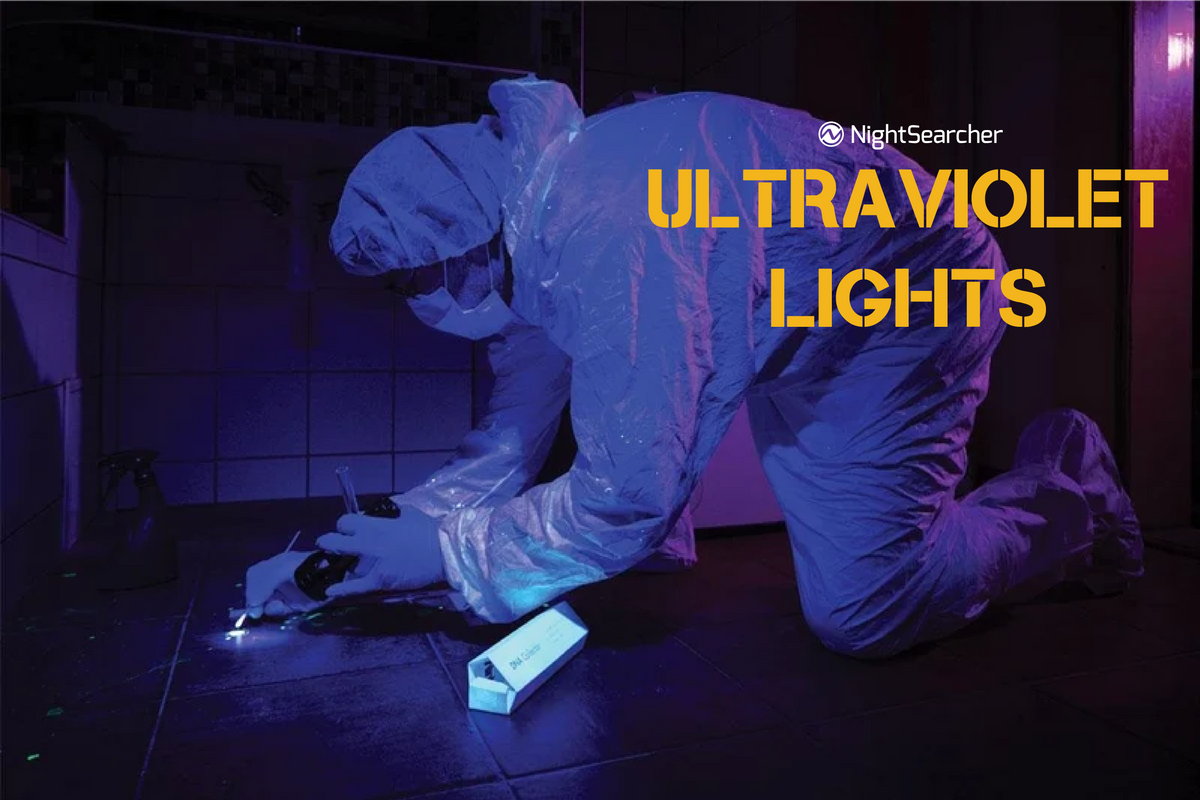
- Cleaning audits: A uv light can highlight missed residue on surfaces, especially when paired with suitable inspection gels or markers.
- Mineral and fossil collecting: Certain minerals fluoresce vividly, making an ultraviolet torch useful for hobbyists.
- Crafts and events: UV-reactive paints, fabrics and decorations can create strong visual effects in low light.
- Leak detection: Some dyes used in fluid systems are designed to glow under UV, although the correct dye and procedure are essential.
- Pest checks: UV inspection can help spot traces associated with insects or rodents, but findings should be confirmed carefully.
The practical value is often in narrowing the search. A UV torch may show you where to look more closely, clean more thoroughly or test with another method.
UV-A, UV-B and UV-C differences
Most consumer torches are UV-A devices. UV-A is the longest-wavelength ultraviolet category and is commonly used for fluorescence inspection. When someone mentions a UV A torch or UV A lamp, they are usually talking about equipment intended to make materials glow rather than to sterilise surfaces.
UV-B and UV-C are different categories with different risk profiles and applications. UV-C, in particular, is often associated with germicidal equipment, but it should not be treated like a casual inspection torch. If a product is marketed for disinfection, follow the manufacturer’s instructions closely and avoid exposing skin or eyes.
For most general inspection tasks, a UV-A torch is the practical choice. It offers the fluorescence effect people usually want without stepping into specialist industrial or laboratory territory.
Choosing the right ultraviolet torch
The best uv torch is the one that suits your task, your environment and your safety expectations. A cheap torch may be enough for occasional household checks, while regular inspection work may justify a more robust model.
Consider the following before you buy:
- Wavelength: Many fluorescence tasks work well with UV-A. Different wavelengths can produce different results, so check whether your intended use recommends a particular range.
- Output and beam spread: A narrow beam can help with close inspection, while a wider beam covers larger surfaces faster.
- Filter quality: Some torches include filters that reduce visible purple spill, making fluorescence easier to spot.
- Power source: Rechargeable units are convenient for frequent use, while replaceable batteries can be useful when travelling or working away from mains power.
- Build quality: Look for a body that feels solid, a reliable switch and sensible heat management, especially if the torch will be used for longer sessions.
- Size and handling: A pocket-sized uv ultraviolet flashlight is easy to carry, but a larger lamp-style unit may be more comfortable for scanning broad areas.
- Safety information: A trustworthy product should clearly state what type of UV it emits and provide basic usage guidance.
A handheld torch is usually best for quick checks and detailed inspection. A uv a lamp, by contrast, can be useful when you need hands-free coverage or want to illuminate a wider area for crafts, display or repeated checks.
NightSearcher Recommended UV Lights

UVLED 395 | 395nm | Battery Powered
The UV395 flashlight is perfect for detecting counterfeit money and documents with its 390-395 nm wavelength and 3.5 hour runtime. Its aircraft grade aluminium body makes it robust and ultra-light, while the IP65 water and shock resistance make it suitable for police and emergency services use. Batteries not included.

UVLED 365 | 365nm | Rechargeable
Detect counterfeit money and documents with ease using the UVLED 365 flashlight. Its 365nm ultra violet light provides high sensitivity for security and crime scene investigations. With a 4-hour runtime and 30m beam length, the aircraft-grade aluminium body is both lightweight and robust. Supplied with rechargeable batteries and various charging options for your convenience.
What should you expect when using one?
You should expect a UV torch to reveal possible clues, not deliver absolute answers. If something glows, it means the material is reacting to ultraviolet light; it does not automatically prove what the substance is. Detergent residue, fibres, adhesives, paints and biological traces can all fluoresce, so context matters.
Start by testing the torch on known materials. Try it on a UV-reactive banknote feature, a fluorescent highlighter mark or a craft material designed to glow. This gives you a feel for the beam strength, the best viewing distance and how ambient light changes the result.
When inspecting a room, move slowly and keep the beam at a shallow angle where possible. Texture and contrast often become easier to read when the light skims across a surface. If you find a glowing patch, mark it, photograph it if useful, and then confirm it by cleaning, testing or using another inspection method.
Safety basics for UV radiation light
A UV torch should be treated with more care than an ordinary torch. The beam may not look bright, but ultraviolet exposure can still irritate or damage eyes and skin, especially with close, prolonged or repeated use. Never shine UV light into anyone’s eyes, and avoid pointing it at pets.
Good habits include:
- Keep the beam away from faces, skin and reflective surfaces.
- Use UV-blocking eye protection for longer or closer inspections.
- Limit exposure time and switch the torch off when not actively using it.
- Do not allow children to use a UV torch unsupervised.
- Avoid using unknown UV devices for skin, nail or disinfection purposes.
- Follow product instructions, particularly for high-output or specialist equipment.
If you are working in a professional setting, align use with workplace safety procedures. For home use, common sense goes a long way: inspect briefly, avoid direct exposure and store the torch securely.

Getting better results from a UV inspection
The difference between a disappointing scan and a useful one often comes down to technique. UV works best when you control the environment and give your eyes time to notice contrast.
Try this simple approach:
- Darken the space. Close curtains, switch off bright lights and reduce glare where possible.
- Clean obvious debris first. Dust and lint can fluoresce and distract from the area you really want to inspect.
- Scan systematically. Work in sections rather than waving the torch randomly around the room.
- Change angles. View the same surface from different directions to separate true fluorescence from reflection.
- Compare with nearby surfaces. A glow is more meaningful when it differs clearly from the surrounding material.
- Record uncertain findings. A quick photo or note helps if you need to revisit the area after cleaning or testing.
- Confirm before acting. Do not assume a glowing mark is a specific substance without additional evidence.
This method is especially useful for carpets, upholstery, tiles, bathroom areas, storage spaces and workbenches. It also helps reduce false alarms, which are common when every bright speck starts to look suspicious.
Torch or lamp: which format makes sense?
A handheld uv torch is ideal when you want portability, precision and quick inspections. It fits in a drawer, toolbox or kit bag, and you can aim it exactly where needed. For pet stain checks, document viewing, small craft projects or occasional leak-dye checks, that flexibility is hard to beat.
A UV A lamp is better when you need broader coverage or a fixed setup. It can illuminate a display, support repeated bench work or help scan larger areas without holding a beam for long periods. The trade-off is that lamps are usually less convenient to carry and may require more deliberate positioning.
For many people, the torch is the sensible starting point. If you later find yourself inspecting wide surfaces regularly, a lamp may become a useful addition rather than a replacement.
Common mistakes to avoid
The biggest mistake is assuming that brighter visible purple light means better UV performance. A torch with lots of visible spill may look impressive while producing less useful fluorescence than a better-filtered device. Look for suitability, not just drama.
Another mistake is using UV findings as proof. Fluorescence is a clue, and clues need interpretation. If the result matters for hygiene, maintenance, property checks or repairs, back it up with cleaning records, testing, professional advice or another inspection method.
Finally, do not ignore safety just because the device is small. A compact uv light can still produce meaningful ultraviolet output at close range. Treat it as a specialist inspection tool, not a toy.
Key takeaways
A UV torch is a practical way to reveal fluorescent materials, hidden marks and inspection clues using ultraviolet light. Most everyday models are UV-A tools, making them suitable for household checks, hobby use, cleaning reviews and similar visual tasks. Choose based on wavelength, beam quality, build, power source and safety guidance rather than relying on appearance alone.
Used well, a uv torch can save time, focus attention and make invisible details easier to notice. Used carelessly, it can lead to false assumptions or unnecessary exposure. Keep the room dark, scan methodically, protect your eyes, and treat every glow as a starting point for closer inspection rather than a final answer.

Leave a comment
This site is protected by hCaptcha and the hCaptcha Privacy Policy and Terms of Service apply.